About Freitag.
THE FREITAG STORY
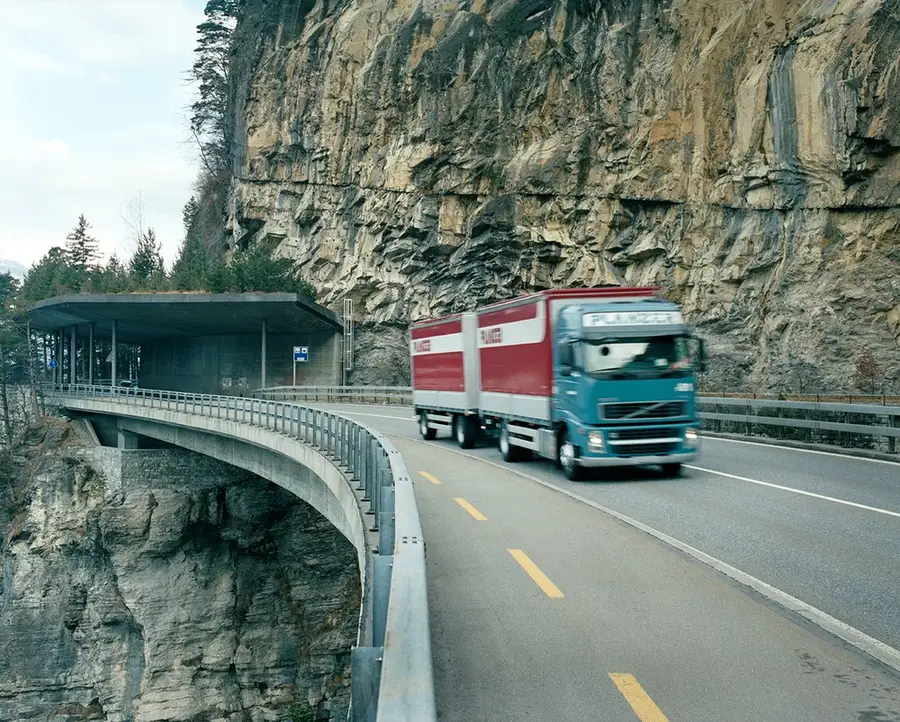
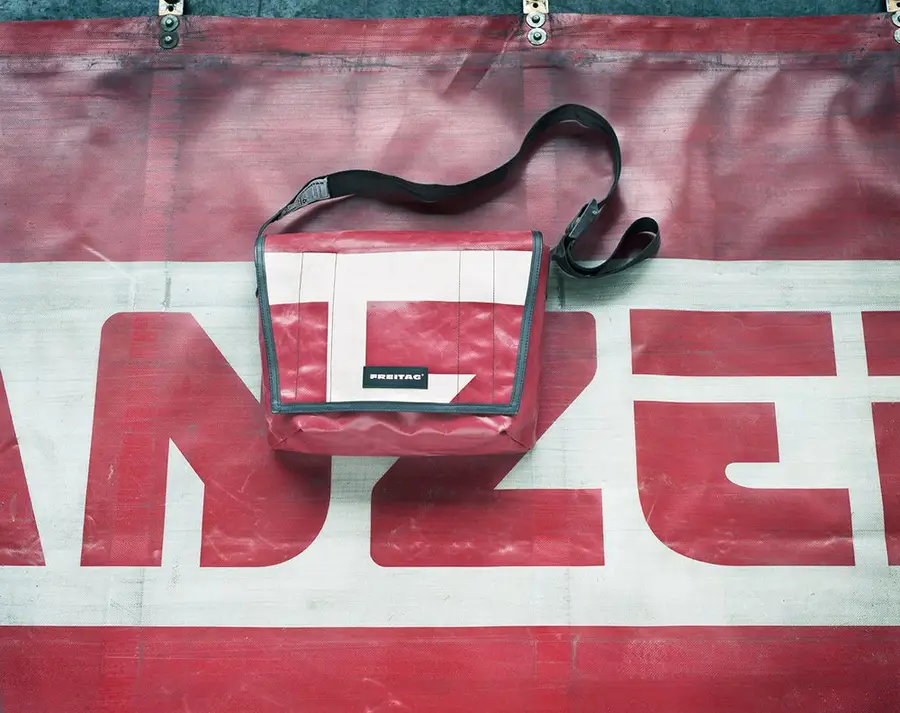
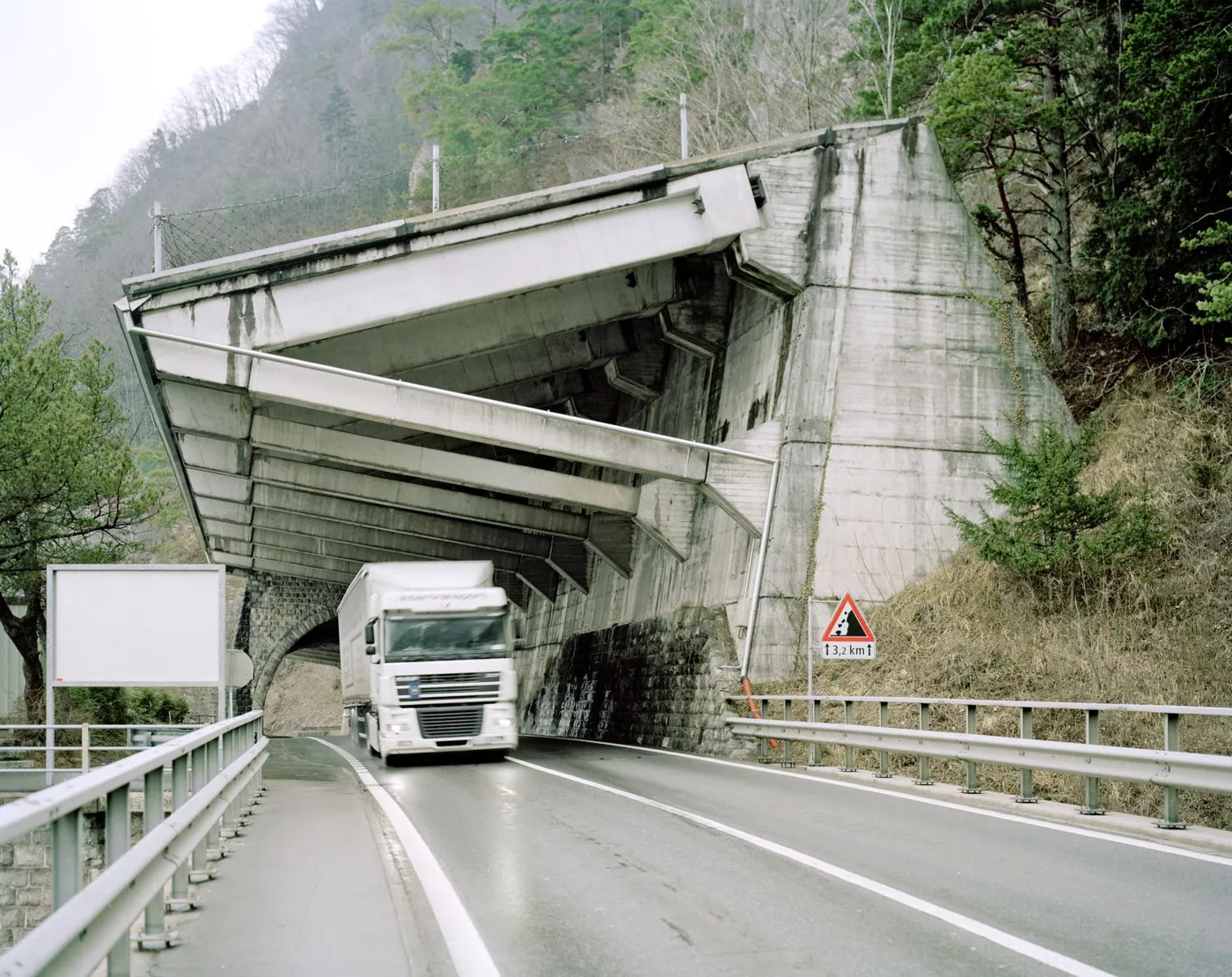
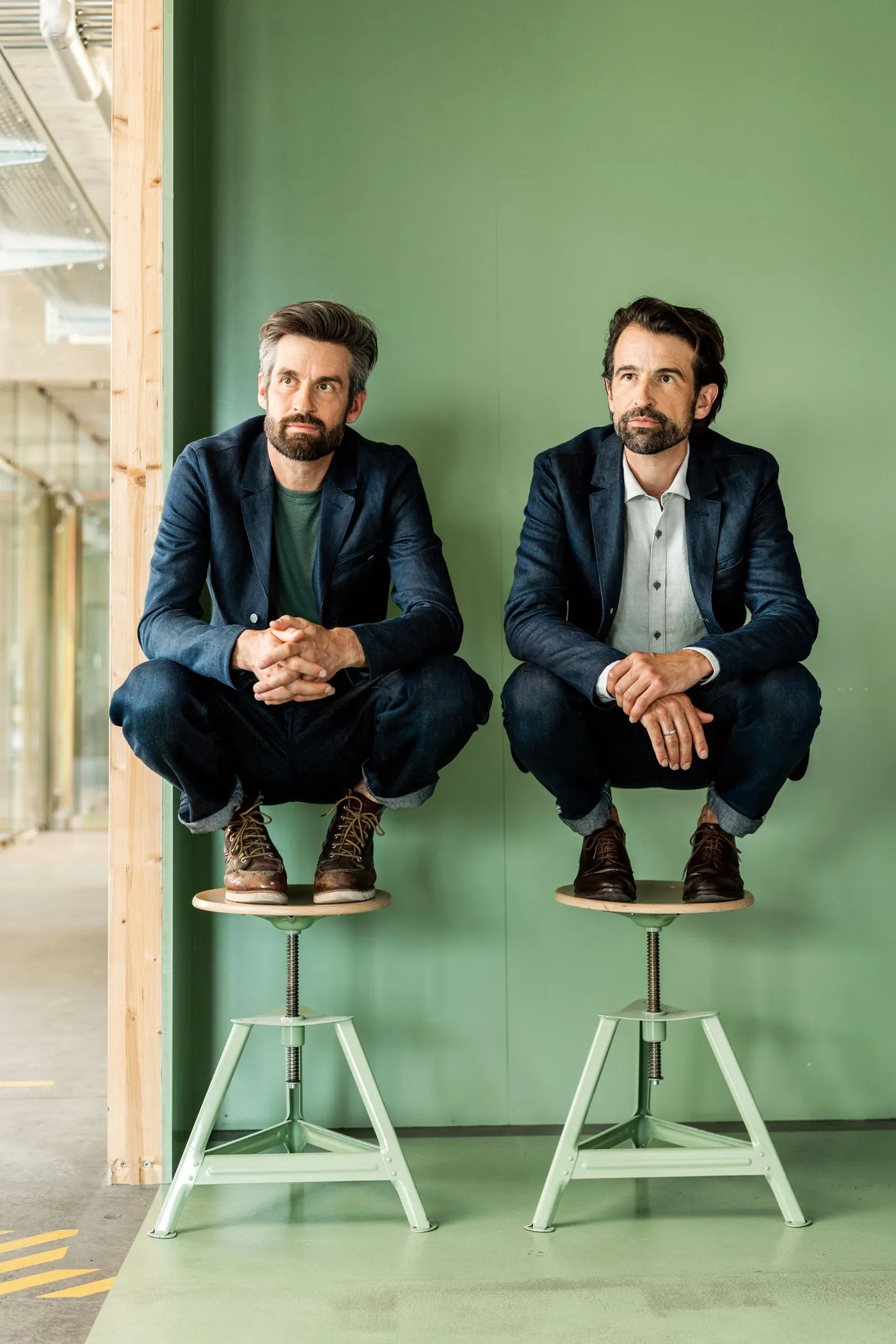
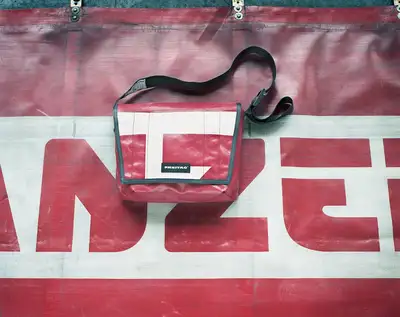
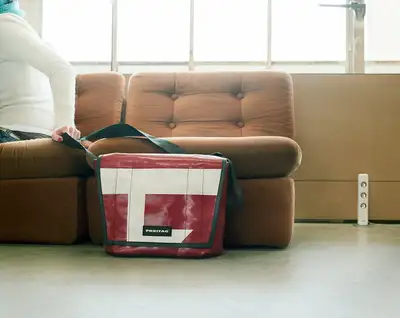
In 1993, the Zurich graphic designers Markus and Daniel Freitag were looking for a robust, water-repellent bag for their work. Inspired by the colourful heavy traffic rumbling past their flat, they sewed the first FREITAG messenger bag from a used truck tarp, discarded bicycle inner tubes and old car seat belts – in the living room of their shared apartment.
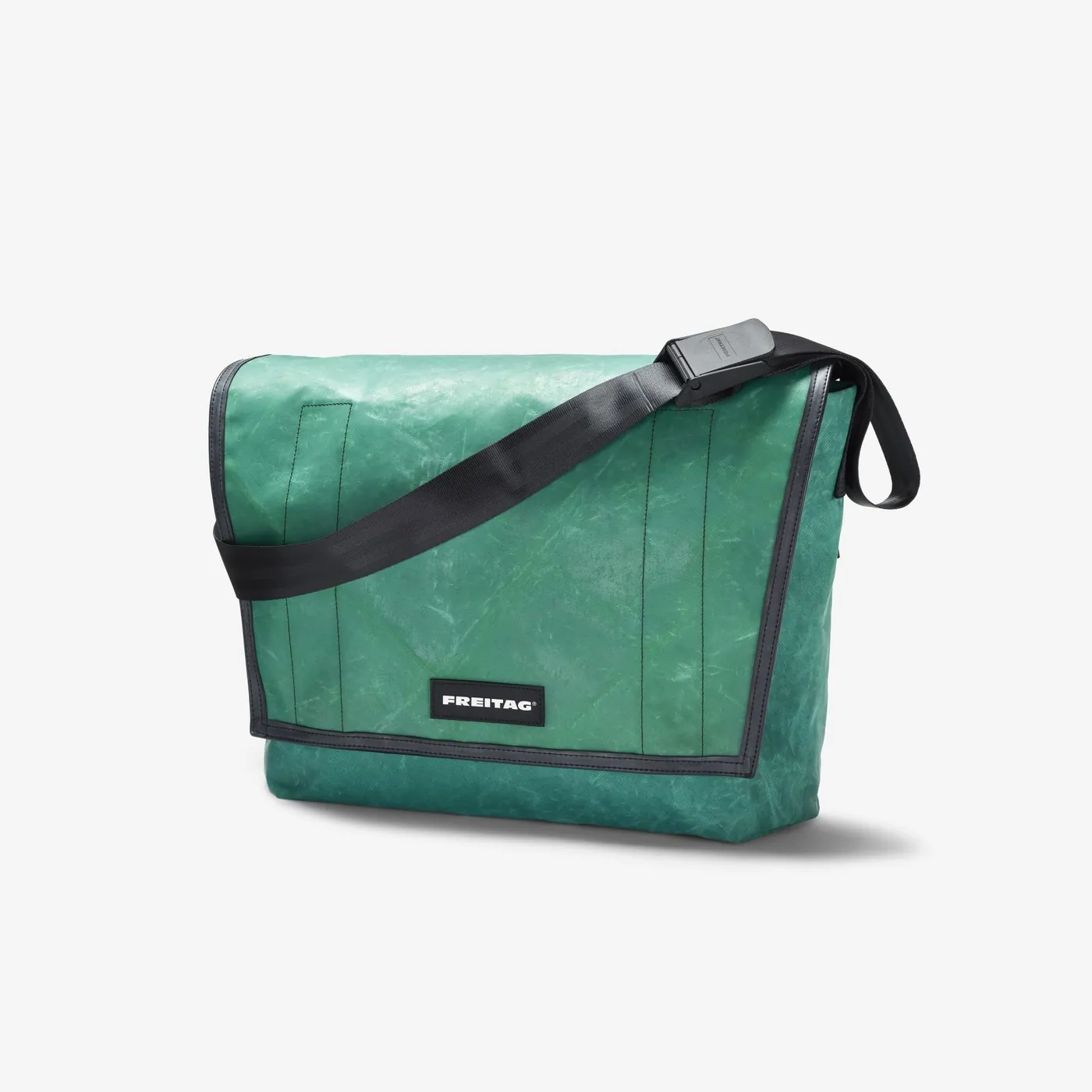
Markus stayed in Zurich, collected tarps and learned to sew a straight seam. Daniel tested the first bags with bicycle couriers in San Francisco. The result was the F13 TOP CAT – the bag that started it all, and which has been part of the design collection of the Museum of Modern Art (MoMA) in New York since 2003.
What began as an idea between two brothers now comprises around 60 models – every single one a one-off – sold in around 25 countries. The company still belongs to the two brothers.
FROM TRUCK TO BAG
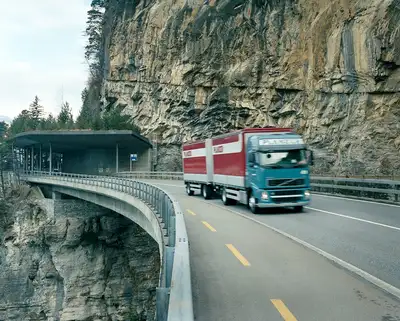
Every FREITAG bag starts its life on the road. The tarps go through five stages before they become one-off bags:
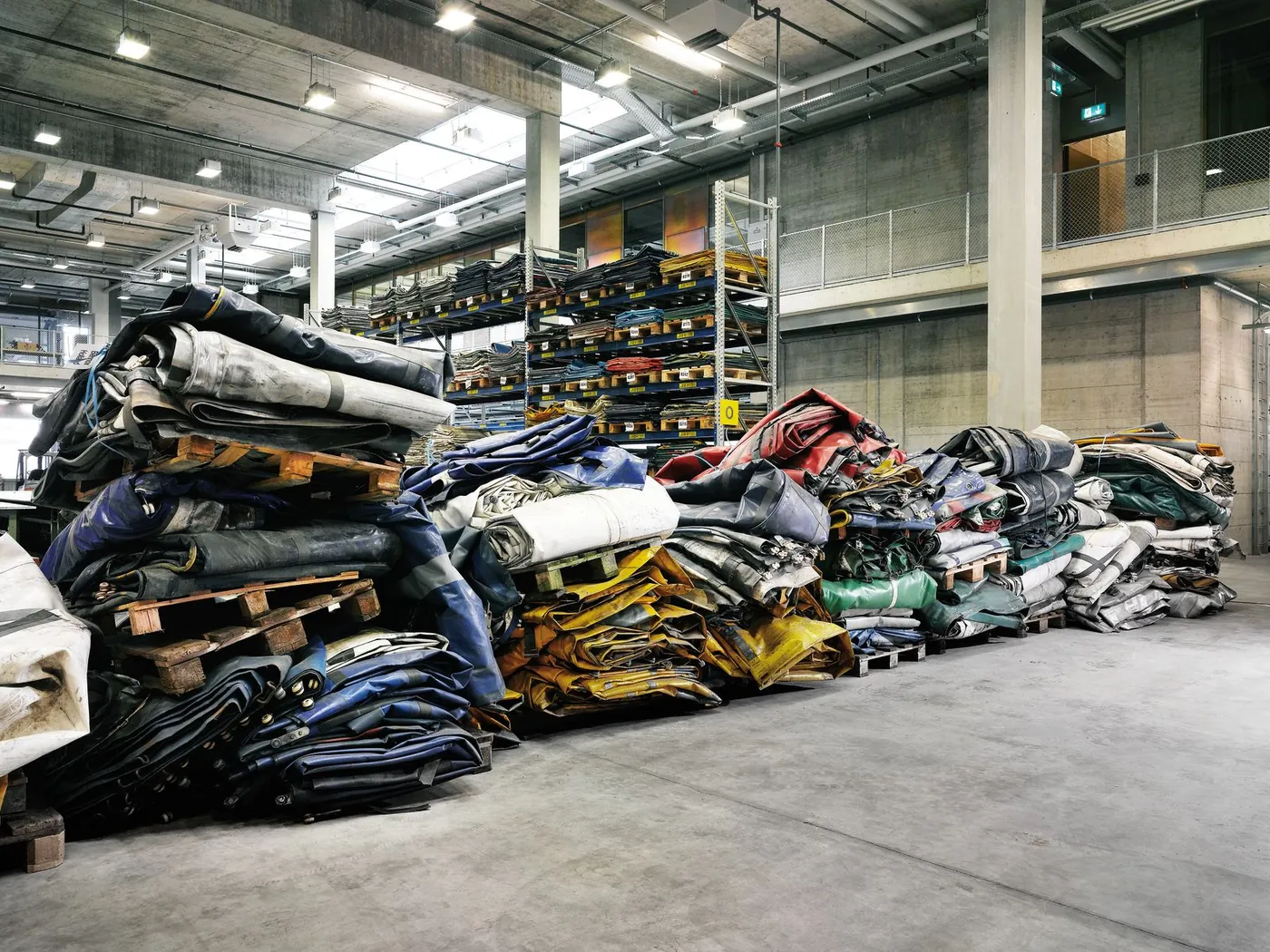
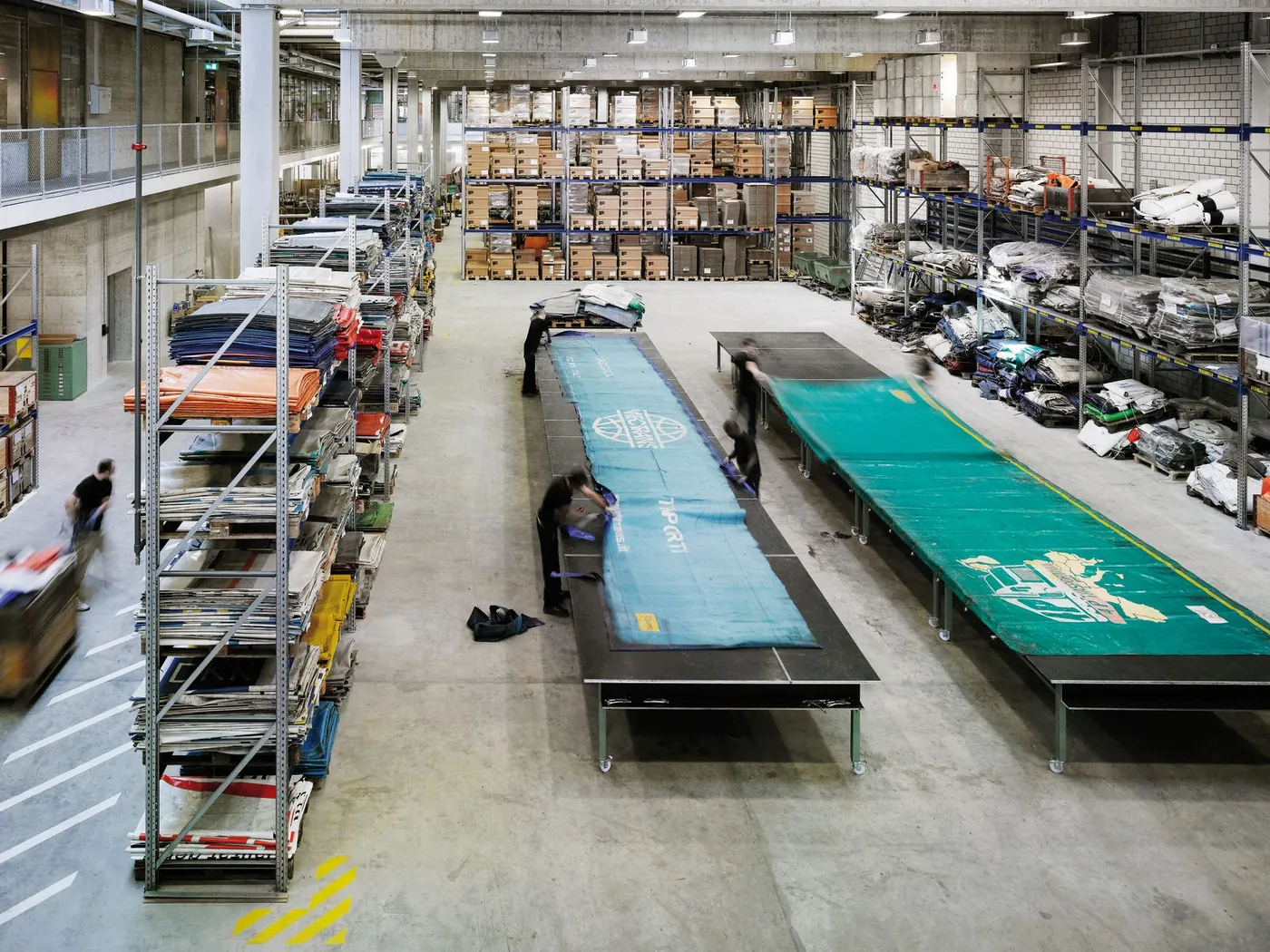
- Finding tarps: FREITAG’s tarp team scours Europe for up to 270 tonnes of used truck tarps a year – enough for around 400,000 products. Every tarp is tested for harmful substances.
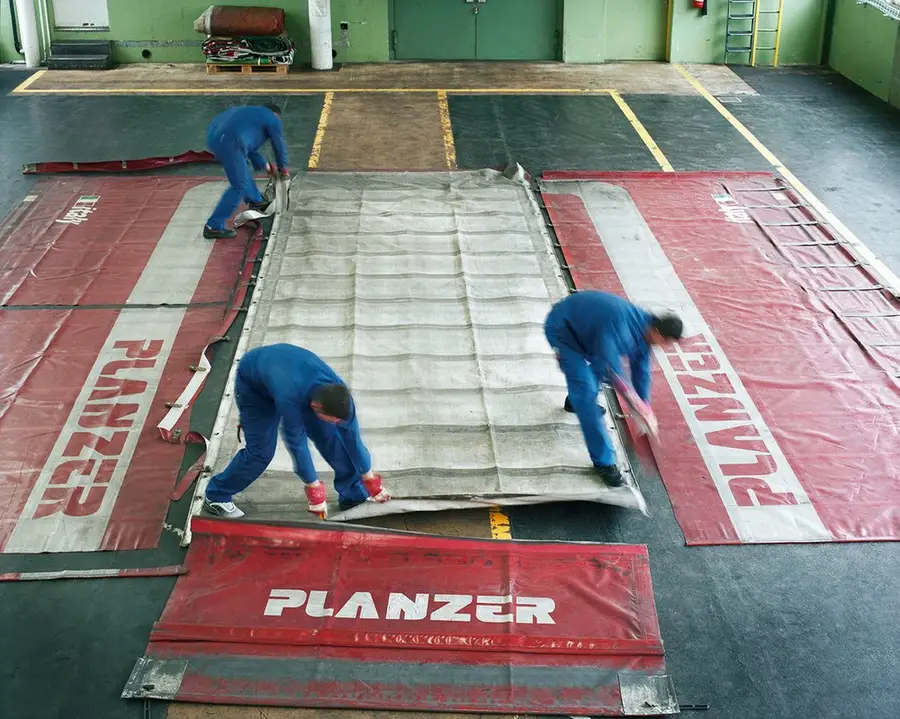
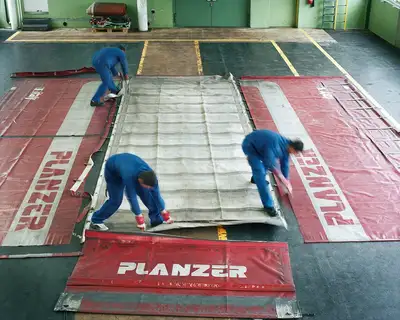
- Taking them apart: straps, buckles and metal parts are removed by hand. Tarps that are too dry, brittle or thin are sorted out; the rest are cut into pieces and sorted by colour.
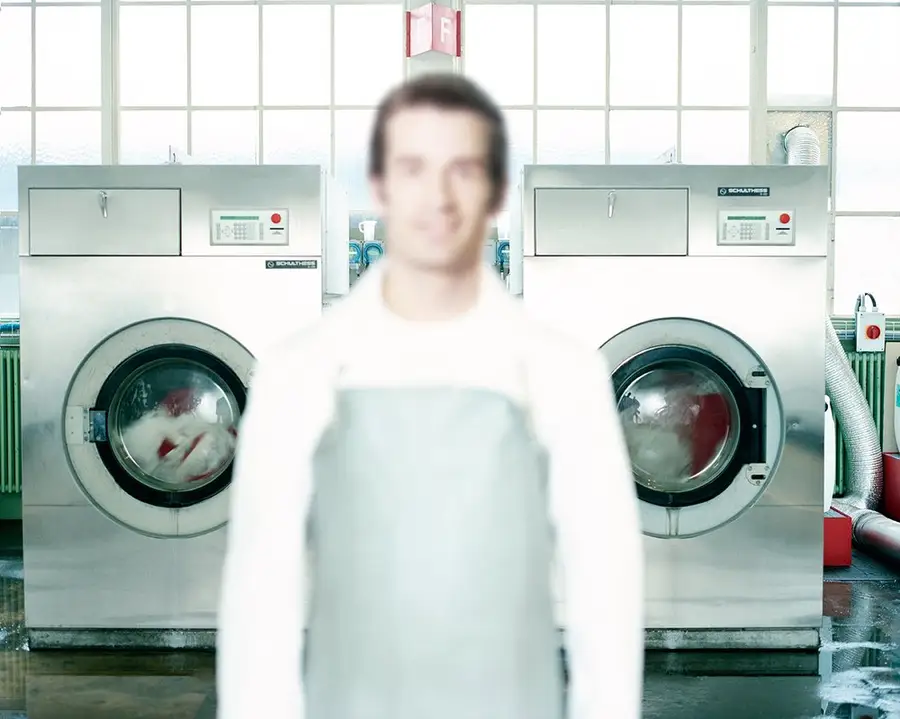
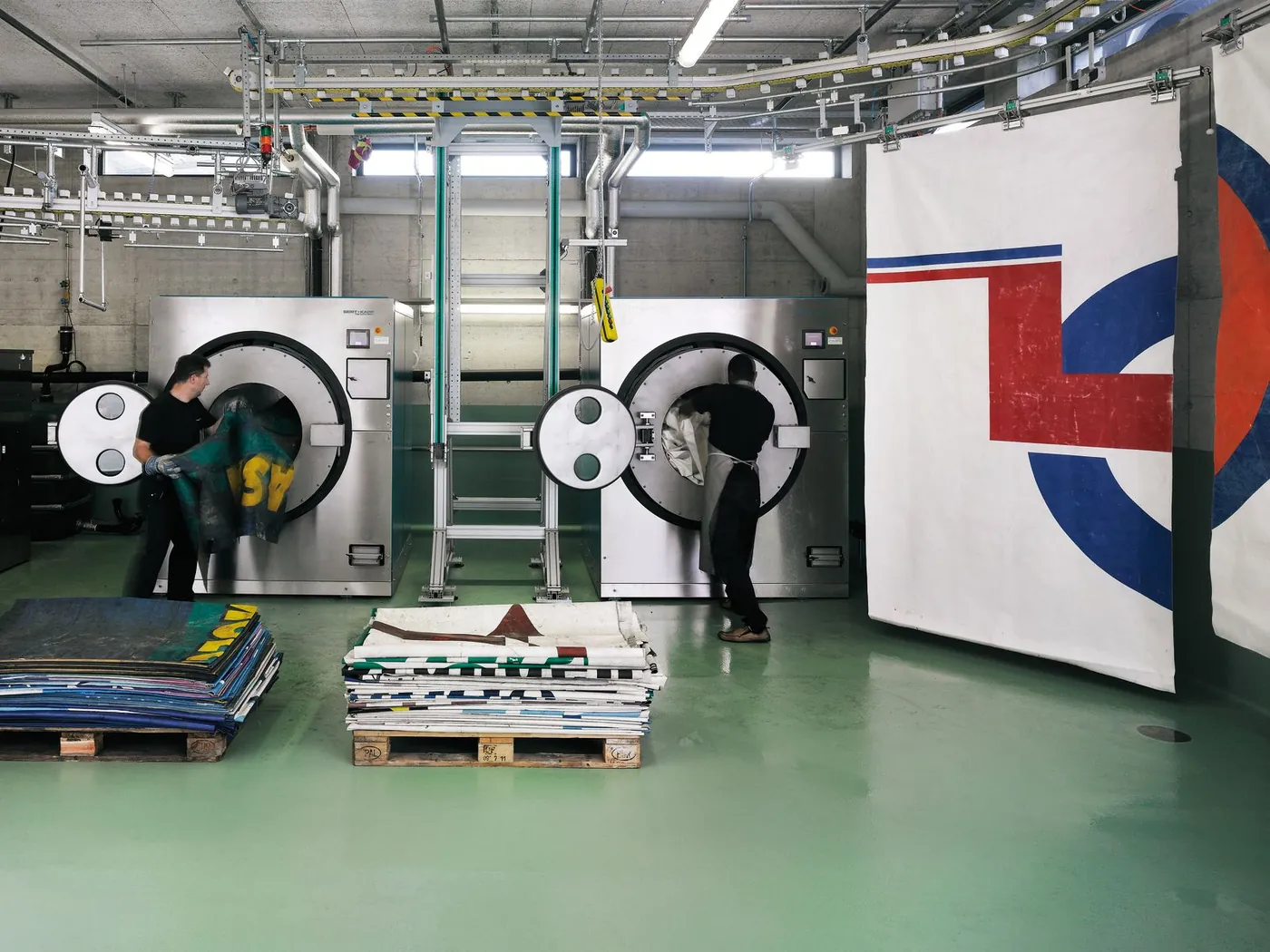
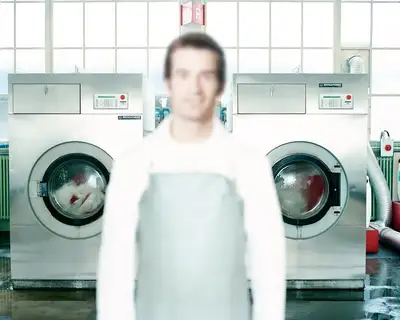
- Washing: three giant washing machines clean off the road grime. About half of the water is rainwater collected on the factory roof, and the heat from the waste water is recovered.
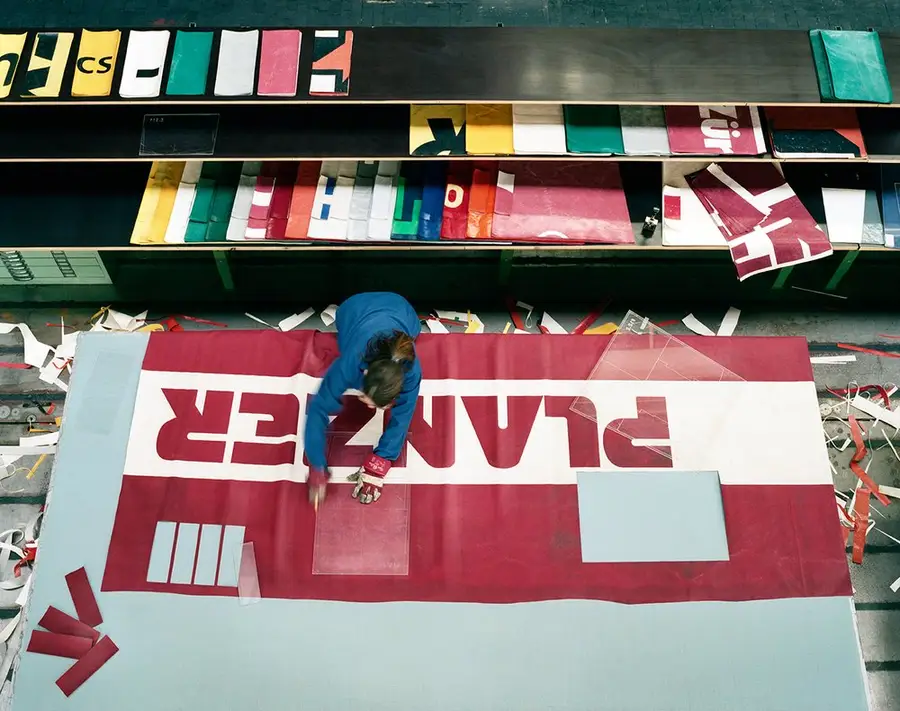
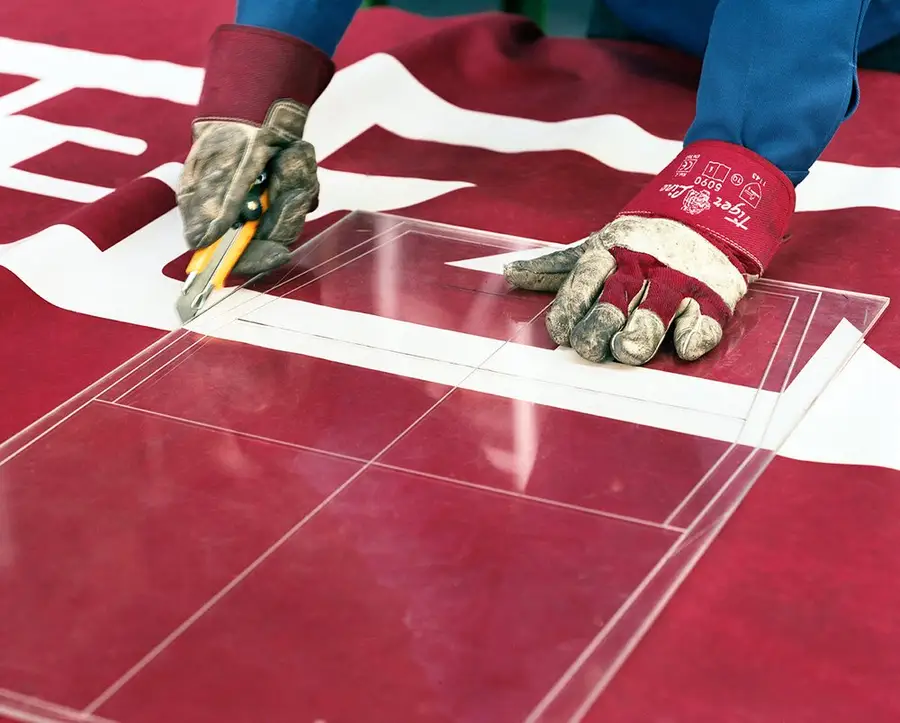
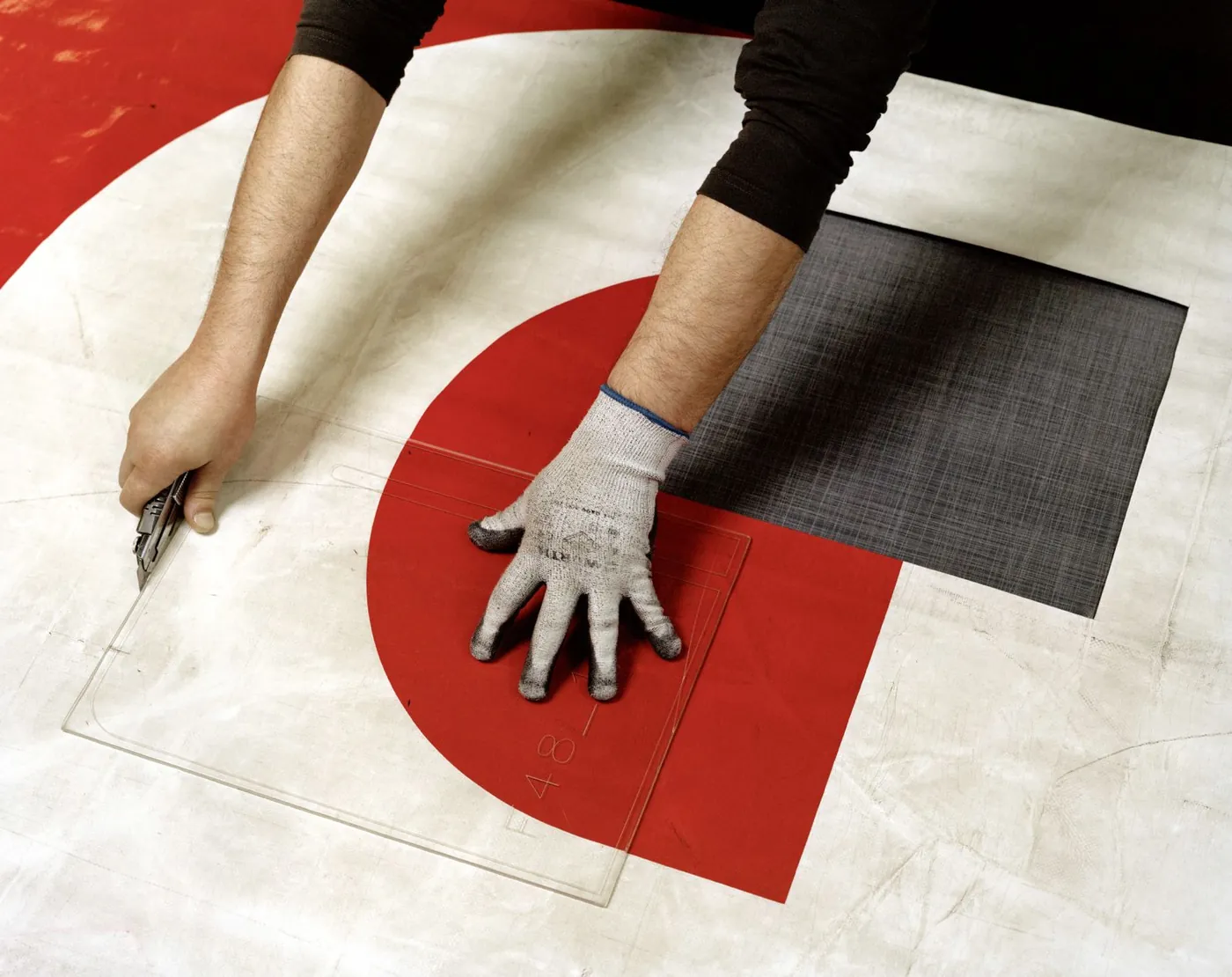
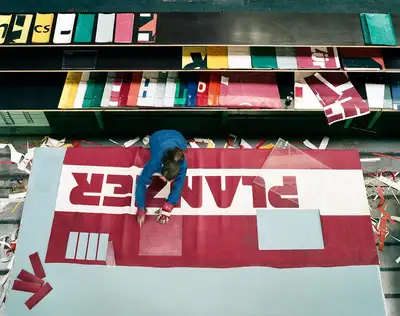
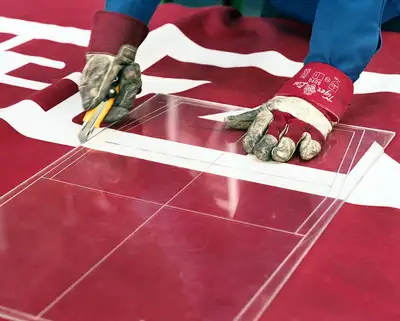
- Cutting: with see-through templates, the team decides at the bench exactly what each bag will look like.
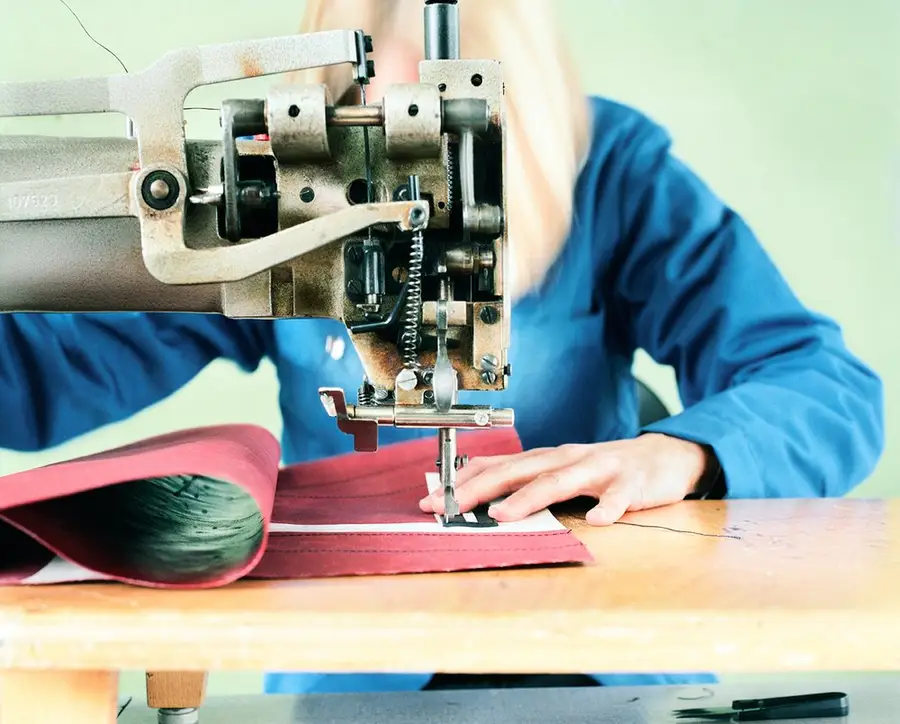
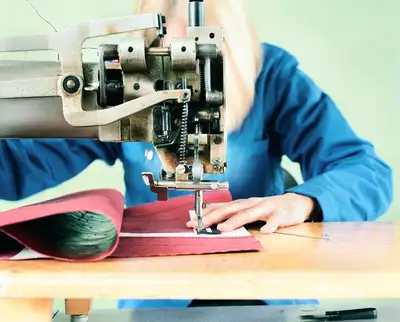
- Sewing and back to the street: long-standing partners in Portugal, the Czech Republic and Bulgaria sew the bags. Back in Zurich, each one is quality-checked and photographed before it goes out to stores and customers.
HEADQUARTERS IN ZURICH
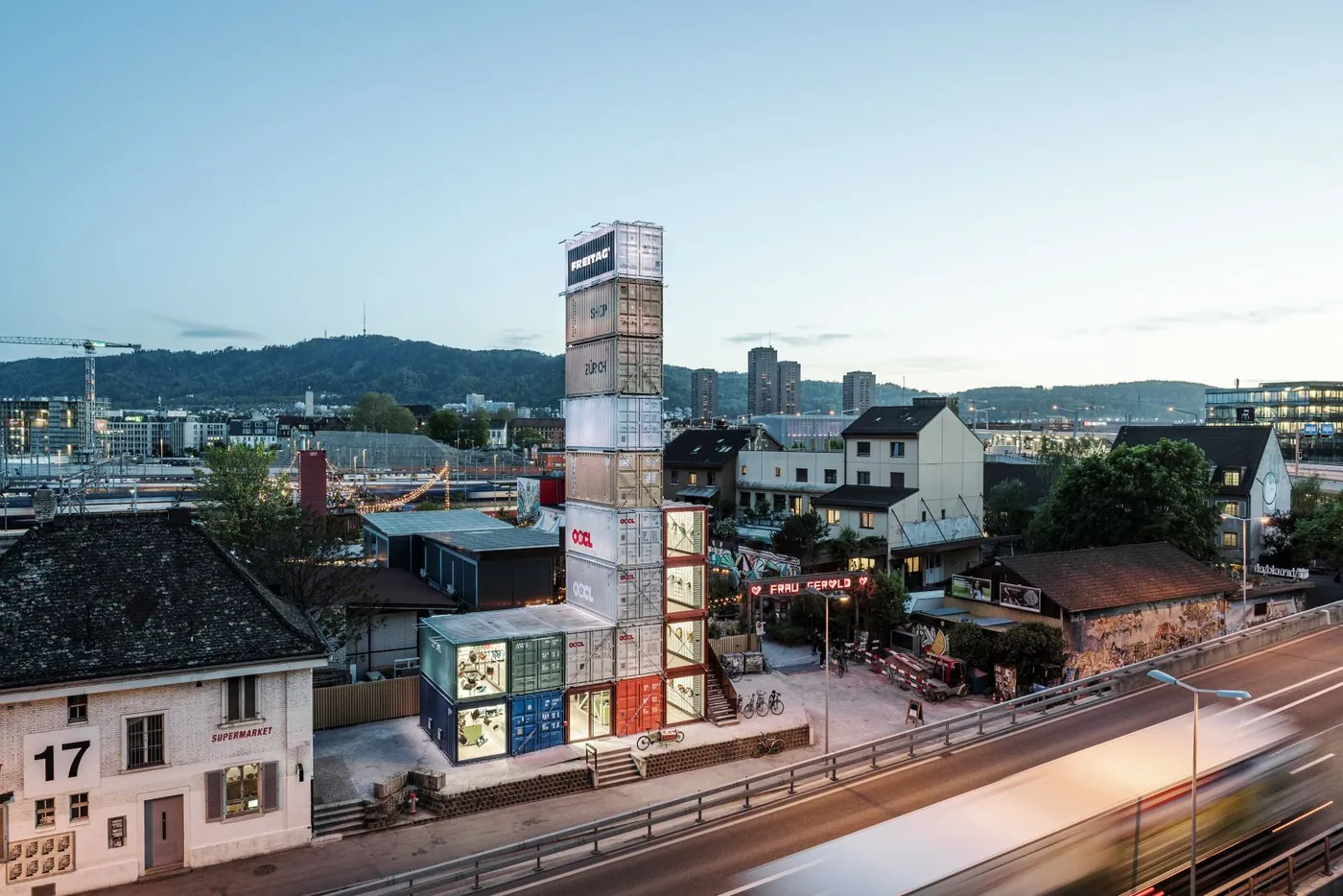
Since 2011, FREITAG has been based in the Nœrd building in Zurich-Oerlikon, where the collected truck tarps are taken apart, washed and cut. The company has more than 230 employees. The FREITAG Flagship Store at Zurich’s Hardbrücke, opened in 2006, is a tower built from 19 used freight containers.
MILESTONES
- 1993 – The brothers make the first F13 TOP CAT from truck tarps, bicycle inner tubes and car seat belts.
- 1999 – The first FREITAG store opens in Davos.
- 2000 – The online store opens.
- 2003 – The F13 TOP CAT enters the design collection of MoMA, New York.
- 2006 – The Flagship Store made of 19 freight containers opens in Zurich.
- 2011 – FREITAG moves into the Nœrd building in Zurich-Oerlikon.
- 2014 – F-ABRIC: compostable textiles made from hemp, linen and modal.
- 2015 – The FREITAG Manifesto is written for the exhibition «FREITAG ad Absurdum» at mudac, Lausanne.
- 2019 – «Tarp on PET» and the bag-swapping platform S.W.A.P. (Shopping Without Any Payment).
- 2022 – The F385 CIRC-CASE, a phone case made from recycled ski boots.
- 2023 – FREITAG turns 30.
- 2024 – The Mono[PA6] Backpack, the first fully recyclable FREITAG backpack.
- 2025 – FREITAG RENT and a Repair Station in the Zurich Flagship Store.
F-ABRIC
In 2014, FREITAG gave itself a new raw material: F-ABRIC, rugged workwear textiles made from the bast fibres hemp and linen plus modal. They are produced within a radius of 2,500 kilometres of Zurich and are completely compostable.
THINKING AND ACTING IN CYCLES
Thinking and acting in cycles is part of FREITAG’s DNA. Besides truck tarps, FREITAG today uses recycled PET bottles, salvaged airbags and worn-out ski boots. Repairs, the swapping platform S.W.A.P. and rental are meant to keep every bag in use for as long as possible.
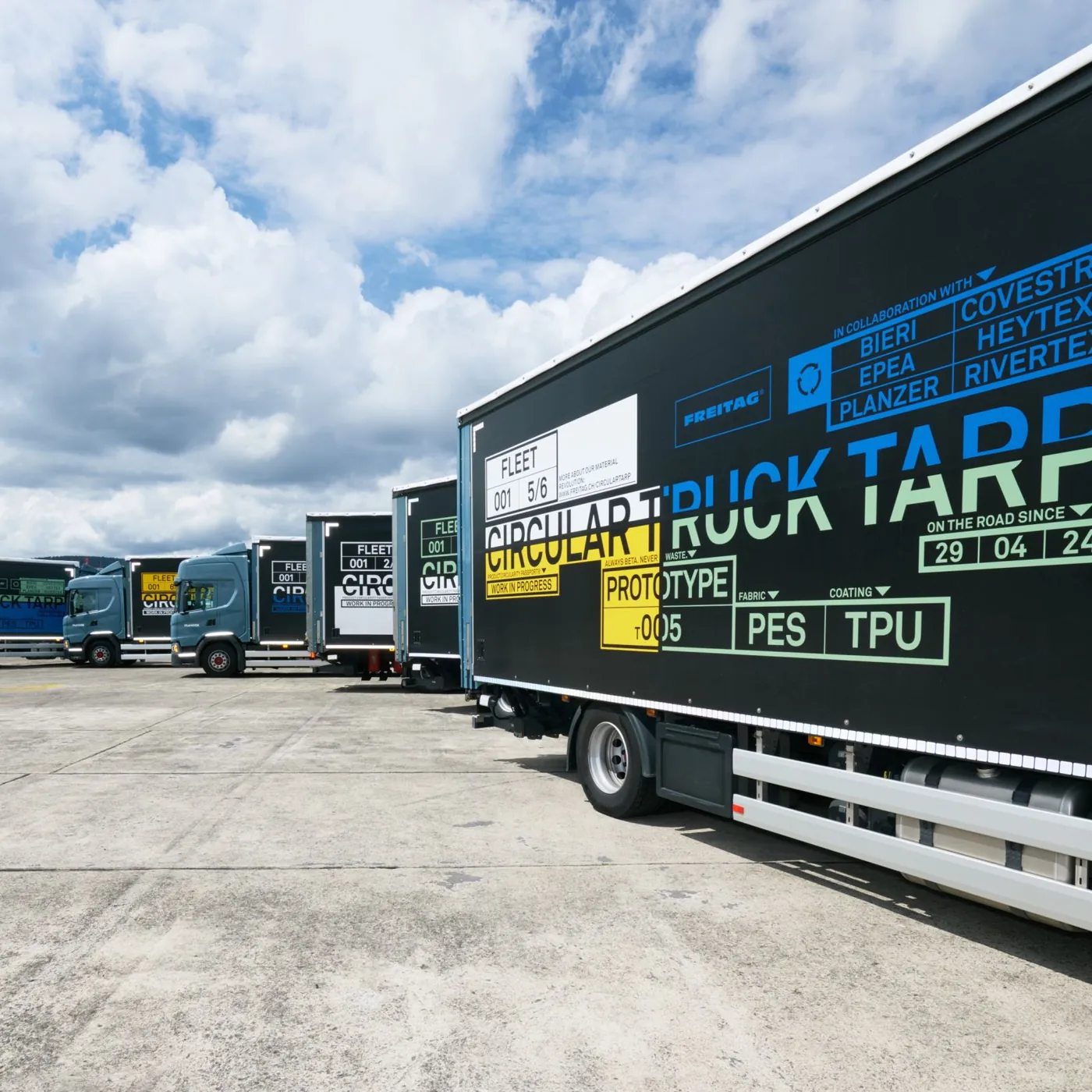
The Mono[PA6] Backpack from 2024 is made from a single material and can be recycled again and again. Together with industrial partners, FREITAG is also developing a circular, PVC-free truck tarp that can return to the cycle after its second life as a bag.
THE FREITAG MANIFESTO
The manifesto was written in 2015 together with the artist twins Frank and Patrik Riklin, and FREITAG still works by it:
- #1 We keep things in closed cycles.
- #2 We own durable items.
- #3 We repair.
- #4 We care about compatibility and adaptability.
- #5 We want access, not ownership.
- #6 We pay for results, not resources.
- #7 We lose speed to win time.
 about-freitag_01.jpg
 about-freitag_02.jpg
 about-freitag_03.jpg
 about-freitag_04.jpg
 about-freitag_05.jpg
 about-freitag_06.jpg
 about-freitag_07.jpg
 about-freitag_08.jpg